Autologous Breast Reconstruction
Serving patients in Fairfield County, Westchester County, and New York City

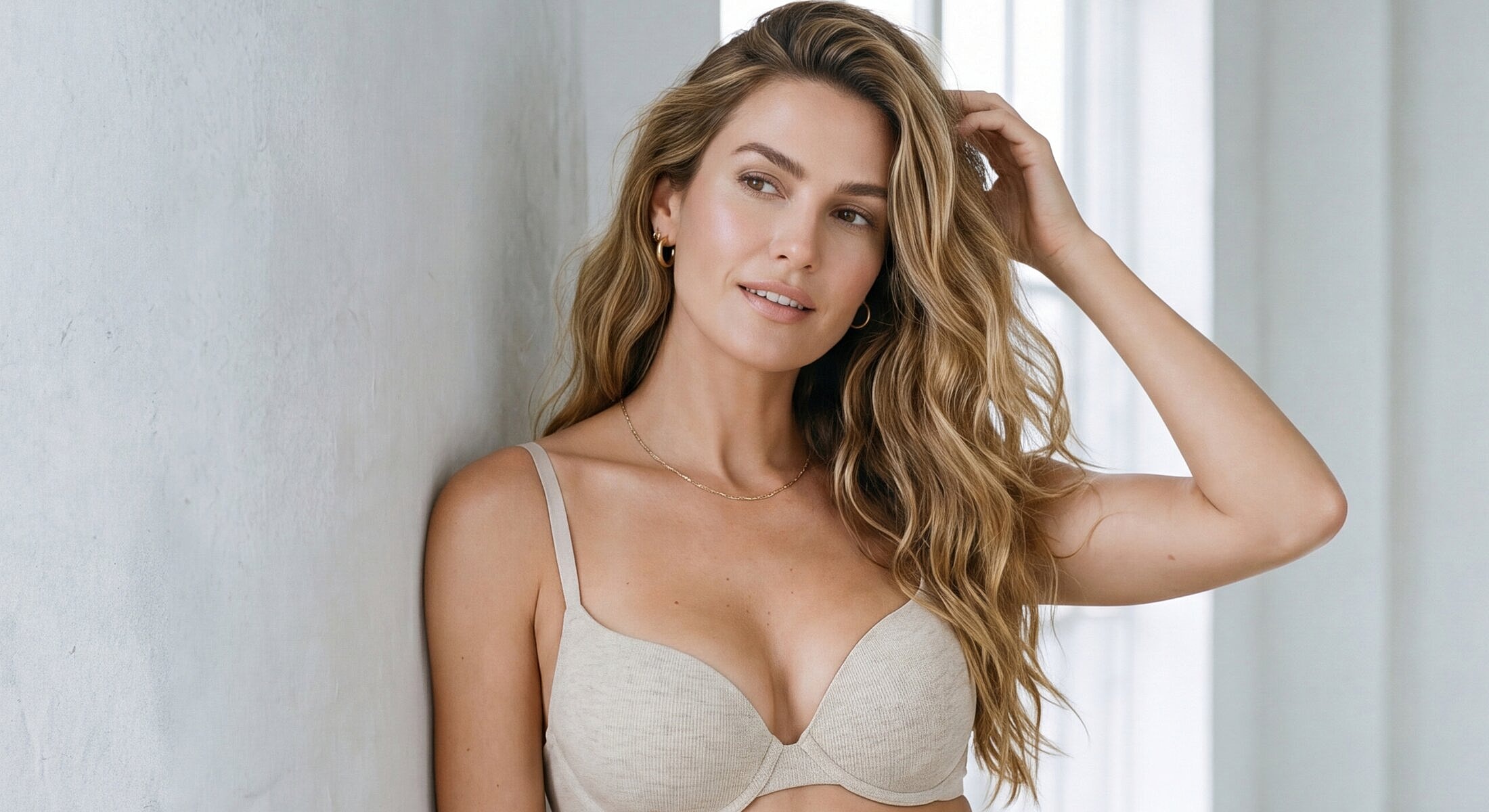
For many women, the most personal part of breast cancer treatment is the decision to restore their silhouette. While implant reconstruction is a common path, autologous breast reconstruction offers a distinct advantage by using your own tissue to rebuild the breast. This method creates a reconstructed breast that is soft, warm to the touch, and moves naturally with your body. Unlike breast implants, autologous tissue ages with you and requires no future replacements due to implant rupture or capsular contracture.
Choosing a surgeon for this surgical procedure requires a specialist who masters the nuances of micro-vascular surgery. Dr. Otake’s Yale-trained "surgeon-scientist" approach ensures that the blood supply to the transferred tissue is meticulously established, prioritizing the long-term health of your new breast. Whether you are considering immediate reconstruction during your mastectomy or a delayed reconstruction, our boutique White Plains office provides the academic-caliber care you deserve.

Autologous breast reconstruction is a sophisticated form of flap surgery where a surgeon moves tissue from one part of the body—the donor site—to the breast area. Unlike traditional implants, this method uses living fat and skin to reconstruct the breast, ensuring a more natural appearance and feel.
Dr. Otake offers a comprehensive range of free flap options, ensuring that every woman has access to the right fit for her body type. Options include:

Uses abdominal tissue and sometimes muscle from the lower abdomen.
Utilizes tissue from the upper inner thigh (profunda artery perforator).
Uses tissue from the upper or lower buttocks (gluteal artery perforator).
A muscle-sparing procedure using the deep inferior epigastric perforator vessels from the abdomen.
On the day of your surgery, Dr. Otake and his surgical team perform a highly precise free flap transfer under general anesthesia. This involves carefully isolating the donor tissue along with its vital blood vessels.
Dr. Otake then transfers this tissue to the chest, where he uses a high-powered microscope to connect the tiny blood vessels to a new blood supply. This microsurgical connection is what allows the reconstructed breast to remain a permanent, living part of you. Dr. Otake is a specialist in reconstructive surgery and microsurgery and handles the transferred tissue with extreme care to maximize the success of the flap.
Autologous reconstruction techniques are primarily used to restore the breast following a mastectomy for breast cancer. Autologous breast reconstruction is especially beneficial for patients who have undergone radiation therapy, as autologous tissue handles radiation better than breast implants. While breast implants are a good fit for many patients, they may eventually require replacement and carry the potential for complications like capsular contracture and implant rupture. Autologous reconstruction is an ideal option for patients seeking a more permanent solution.
Autologous breast reconstruction restores a natural breast appearance and feel. Because the breast is made of your own fat and tissue, it will feel natural to the touch and respond to weight changes just like a natural breast.
Unlike breast implant surgery, reconstruction is designed to be a one-time surgical procedure with results that last for the rest of your life, providing long-term peace of mind. Dr. Otake’s expertise in microsurgery and wound healing ensures that the breast skin and underlying muscle are managed to produce the best possible functional outcome.


Most women who have undergone mastectomy and have enough donor tissue to re-create a breast mound are good candidates for autologous reconstruction. Dr. Otake will evaluate your medical history and personal preferences to guide you through the decision-making process. While the surgery involves a longer recovery than implants, the permanent nature of the results makes it a preferred choice for those seeking the highest level of reconstruction.
Recovery from flap surgery is a gradual process. You will typically stay in the hospital for 3–5 days so that Dr. Otake can monitor the blood supply to the new breast. You will have tissue expanders or drainage tubes temporarily placed to protect the treated area.
Once you return home, you will focus on light movement to support blood flow. Dr. Otake provides detailed instructions to ensure both the donor site and breast heal beautifully. Most patients return to their normal daily activities within 6 weeks. Our team is here to support you every step of the way, monitoring your progress at follow-up visits and ensuring your comfort and confidence throughout the entire healing process.
The initial shape of your reconstructed breast is visible soon after surgery, though it takes a few months for swelling to subside and the tissue to soften. The final result is a breast mound that is indistinguishable from a natural breast in clothing and feels authentic to you.
Because Dr. Otake utilizes advanced fat grafting and microsurgical techniques, the results are both aesthetically refined and structurally sound. This is more than a surgery; it is a permanent restoration of your form and a vital step in moving past breast cancer.
Autologous breast reconstruction is one of the most technically demanding surgical procedures in medicine. Dr. Leo Otake brings a unique "surgeon-scientist" perspective to this challenge.
As a Yale MD and PhD with 17+ years of experience and advanced microsurgical training, he possesses the technical mastery required to successfully perform free flap transfers. At Otake MD, we provide reconstruction in a boutique, patient-centered environment, ensuring your journey to recovery is handled with the highest standards of care.

Both use tissue from the lower abdomen, but the DIEP flap is muscle-sparing, meaning the abdominal muscle is left intact. The traditional TRAM flap involves moving muscle along with the tissue, which can lead to more abdominal wall weakness. Dr. Otake prioritizes muscle-sparing techniques whenever possible.
Yes. Dr. Otake can rebuild the breast on one side (unilateral) or one or both breasts (bilateral), depending on your mastectomy and breast cancer history. In both cases, he focuses on creating symmetry with the other breast to ensure a balanced silhouette.
The PAP flap (profunda artery perforator) uses skin and fat from the upper inner thigh. It is an excellent autologous reconstruction option for women who do not have enough tissue on their abdomen for a DIEP or TRAM flap.
While there is a small risk (typically less than 2%) of the transferred tissue losing its blood supply, Dr. Otake’s microsurgical expertise makes this extremely rare. Continuous monitoring during your hospital stay ensures that any issues are caught and addressed immediately.
Radiation therapy can make breast skin tight and damaged. Autologous tissue is often the best choice in these cases because it brings in healthy, new blood supply and tissue, which helps the breast area heal better than an implant would.
Many women choose to have a minor "touch-up" procedure about 3–6 months after the initial reconstruction. This may include fat grafting to refine the shape or nipple reconstruction to complete the natural appearance.