Fat Grafting
Serving patients in Fairfield County, Westchester County, and New York City

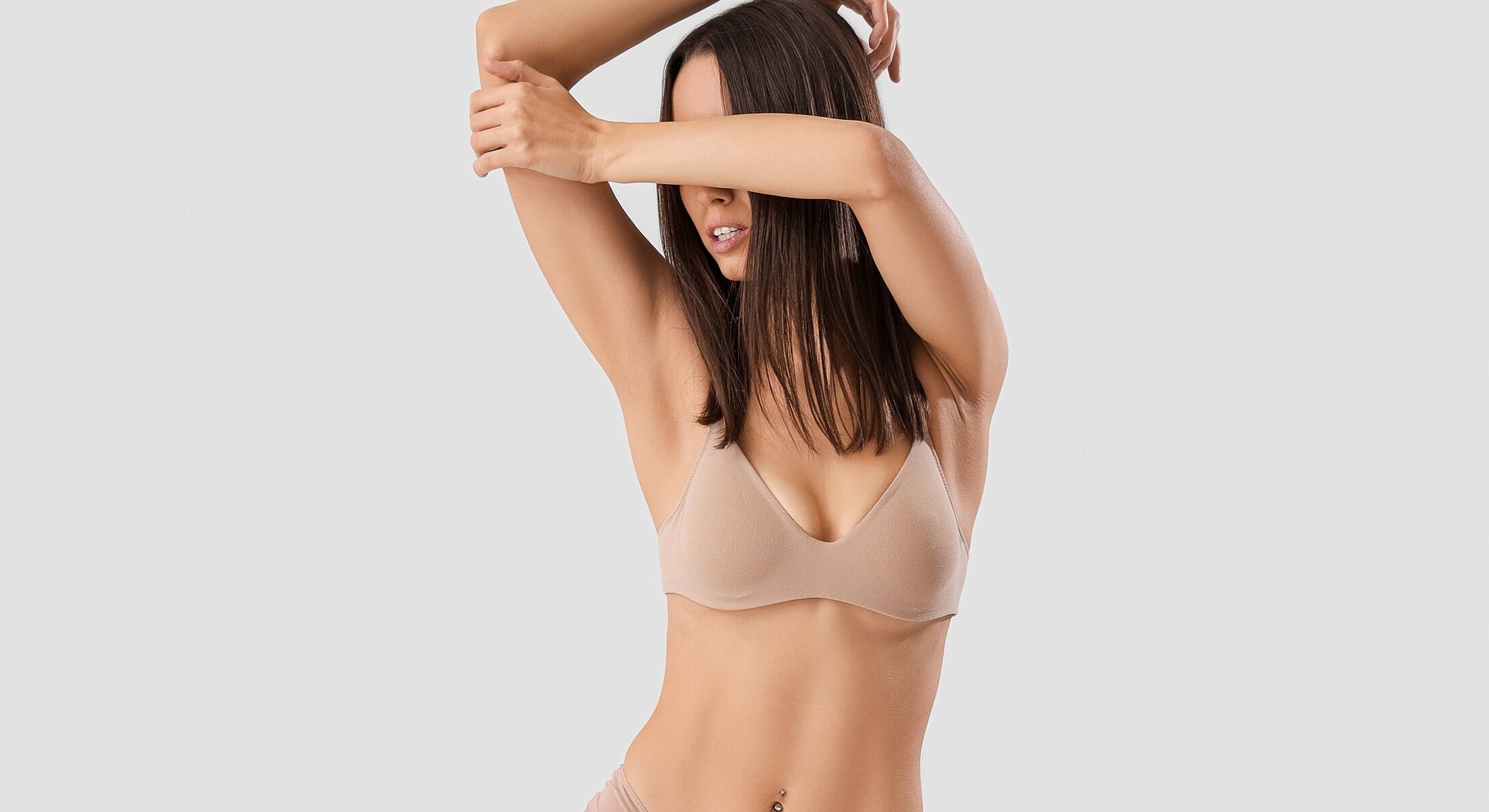
As we age, the adipose tissue that provides structure to areas like the face and breasts naturally begins to deplete, leading to hollowing or a loss of firmness. While dermal fillers offer a temporary solution, many patients seek a more permanent, biocompatible approach. Fat grafting (also known as autologous fat transfer) allows Dr. Leo Otake to remove excess fat from one part of your body and strategically relocate it to add volume where it is needed most.
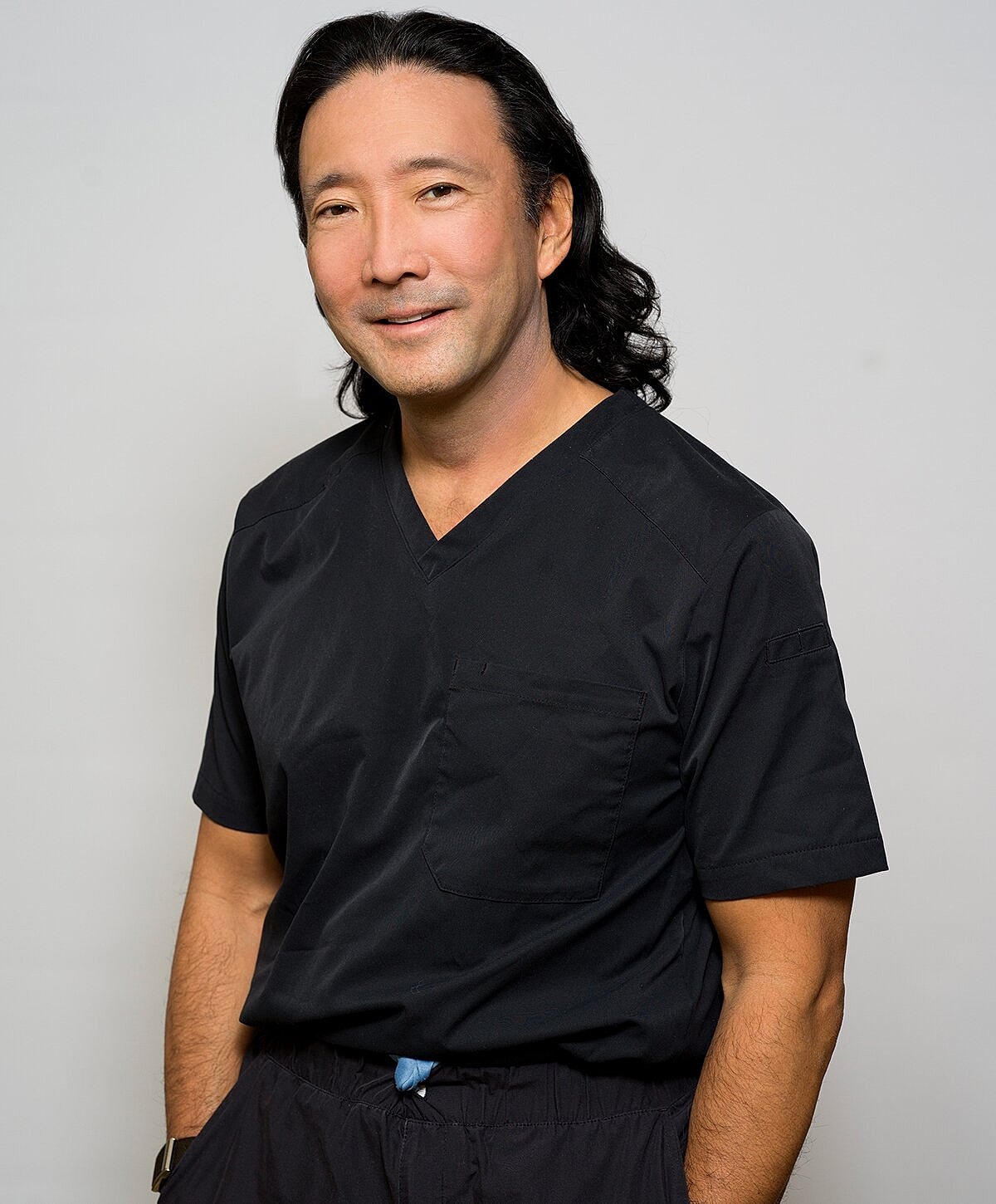
Dr. Otake is a board-certified plastic surgeon with a deep academic background in biochemistry and microsurgery, ensuring his patients achieve the most successful fat transfer results possible. He understands the science of cell survival and the regenerative potential of stem cells found within fat tissue. By focusing on the viability of the transferred fat, he shapes results that look, feel, and move like a natural part of you.

Fat grafting is a specialized cosmetic surgery that uses your own body fat to enhance your appearance. The process involves three distinct stages: fat harvesting via gentle liposuction, meticulous fat processing to isolate the healthiest cells, and the precise injection of that purified fat into the recipient area.
Because this procedure uses your own tissue rather than a synthetic filler or implant, there is no risk of an allergic reaction or rejection. Dr. Otake often uses autologous fat grafting as a standalone treatment to restore a more youthful appearance or as a complement to reconstructive surgery or breast augmentation to create seamless, natural-looking contours.
On the day of your fat transfer procedure, Dr. Otake ensures your comfort using either local anesthesia with sedation or general anesthesia, depending on the volume of fat being moved. The surgical process begins with liposuction techniques designed to preserve the delicate cell walls of the adipose fat.
Once the fat is collected from a donor area, such as the abdomen or thighs, it undergoes a filtration process to remove impurities. Dr. Otake then uses a fine cannula to perform the fat injections. He meticulously layers the extracted fat in small droplets. This technique ensures each micro-graft has access to the blood flow necessary for survival, minimizing the risk of contour irregularities and maximizing the longevity of your natural-looking results.
Fat transfer is exceptionally effective at correcting volume loss in the face, specifically addressing hollow temples, sunken under-eyes, and deep nasolabial folds. It can also be used to provide a modest increase in breast volume and enhance breast shape, such as adding volume to the upper pole. By utilizing the regenerative potential of the transferred fat, this treatment can even improve the texture and quality of the overlying skin.
While fat can be harvested from almost any area with excess fat, it is most commonly performed to enhance the face, breasts, and hands. It is an ideal way to achieve higher cheekbones or a modest increase in breast size without the need for implants. The liposuction step also provides body contouring benefits in donor areas like the abdomen, flanks, or thighs, sculpting away excess tissue from one area and repurposing it another.

Fat transfer provides the dual advantage of both slimming and shaping. You are able to remove unwanted fat from a stubborn area while simultaneously rejuvenating another. Because it is your own tissue, the results are incredibly soft and move naturally with your expressions or movements.
Beyond the volume increase, the stem cells naturally present in adipose tissue provide a bio-stimulatory effect. Many patients notice that the skin in the recipient area appears more radiant and healthy months after the procedure. This makes fat grafting a cornerstone of aesthetic surgery for those seeking a holistic, long-term approach to aging.
Candidates for fat transfer should be in good general health who have enough excess fat in a donor area to facilitate the transfer. It is important to have realistic expectations; while a significant portion of the fat injected will survive, some naturally reabsorbs into the body during the first few months. Dr. Otake will review your medical history to ensure this is the safest and most effective procedure for your goals.

Following the fat transfer procedure, you may experience some swelling and bruising at both the donor area and the injection sites. If a larger volume of fat was harvested, you may be asked to wear a compression garment over the liposuction site for a few weeks to support the tissue.
Dr. Otake provides detailed instructions to protect the newly transferred fat. It is vital to avoid putting direct pressure on the recipient area during the initial weeks of the healing process. Most patients find that discomfort is well-managed with over-the-counter or mild prescribed medication, and they can return to work within a week.
The final appearance of your fat transfer will stabilize about three to four months after the procedure. Once the fat cells have successfully integrated into their new location, they are considered permanent and will fluctuate naturally with your body weight.
For facial fat grafting, you will see a more refreshed, youthful appearance without the "over-filled" look sometimes associated with synthetic products. Fat grafting to the breasts provides a modest but noticeable enhancement in size and shape. Because Dr. Otake uses such fine liposuction and injection instruments, any resulting scars are tiny and typically fade until they are nearly invisible.
Dr. Leo Otake brings a unique "surgeon-scientist" perspective to autologous fat transfer. As a Yale-trained MD and PhD, his understanding of the regenerative potential of adipose tissue goes beyond the surface.
He treats fat as a living graft, utilizing microsurgical precision to ensure the highest possible survival rate for your transferred fat. In our boutique White Plains practice, you receive academic-caliber care focused on achieving natural-looking results that honor your unique anatomy.
While both add volume, fat grafting is a surgical procedure that offers permanent results using your own tissue. Fillers are temporary and must be repeated. For patients looking for a long-term solution or a significant amount of volume (as in the breasts), fat transfer is often the preferred choice.
Typically, about 60% to 80% of the transferred fat survives long-term. Dr. Otake accounts for this natural reabsorption during the procedure. His specialized fat processing and injection techniques are designed to maximize the survival of the fat cells.
The incisions used for fat harvesting and fat injections are extremely small, usually just a few millimeters. Dr. Otake is an expert in scar management and places these in discreet locations. Over time, these tiny scars usually become imperceptible.
Like all plastic surgery, there are risks, including infection or swelling. Specific possible complications of fat transfer include contour irregularities or small cysts if the fat does not "take" perfectly. Choosing a board-certified plastic surgeon like Dr. Otake significantly reduces these risks.
Fat transfer can provide a modest increase in breast size (usually half to one cup size) and is excellent for improving cleavage and shape. If you desire a more dramatic increase in volume, Dr. Otake may discuss combining fat grafting with traditional implants.
While you will see an immediate change, significant swelling occurs in the first two weeks. The "settled" results are typically seen at the three-month mark, once the body has flushed out the fat that did not successfully graft.