Blepharoplasty
Serving patients in Fairfield County, Westchester County, and New York City


The eyes often begin to project fatigue or age long before the rest of the face. Blepharoplasty is a sophisticated procedure that addresses hooding of the upper lids and bags beneath the eyes, caused by the migration of fat and the loss of skin elasticity. Dr. Leo Otake’s approach to eyelid surgery ensures that the delicate layers of the eyelid are meticulously handled to achieve a result that is both functional and aesthetically elegant. Whether addressing heavy upper lids that obstruct vision or hollow lower lids that create dark circles, Dr. Otake restores a rested, vibrant reflection that looks like you.

Blepharoplasty, commonly known as eyelid surgery, is a surgical procedure designed to improve the appearance of the upper eyelids, lower eyelids, or both. The overall purpose is to remove or reposition excess tissue—such as skin, muscle, and fat—that has descended or become prominent over time.
Dr. Otake offers several refined options. Upper blepharoplasty focuses on removing the "hood" of skin that can weigh down the lashes. Lower blepharoplasty often involves a "transconjunctival" approach, where fat is repositioned through an internal incision to smooth the transition between the eye and the cheek without external scarring. By integrating his academic background in biochemistry, Dr. Otake ensures that the delicate skin of the eye area is supported for optimal long-term healing.


The blepharoplasty procedure is typically performed under local anesthesia with sedation or general anesthesia. Dr. Otake begins by creating precise incisions that follow the natural creases of the eyelids to ensure that any resulting marks are virtually invisible.
Next, he removes or redistributes fat deposits and tightens the underlying muscles. Excess skin is trimmed with extreme precision to create a natural contour. The incisions are then closed with ultra-fine sutures to ensure smooth, discreet healing.
Blepharoplasty is the definitive solution for:
Blepharoplasty visibly restores a bright, alert, and approachable expression. Patients frequently report that they no longer look tired or worn out and that their eyes appear larger and more vibrant. For patients with significant sagging skin in the upper lids, upper blepharoplasty can also improve the field of vision. The change is subtle but significant, brightening and refreshing your entire facial appearance.
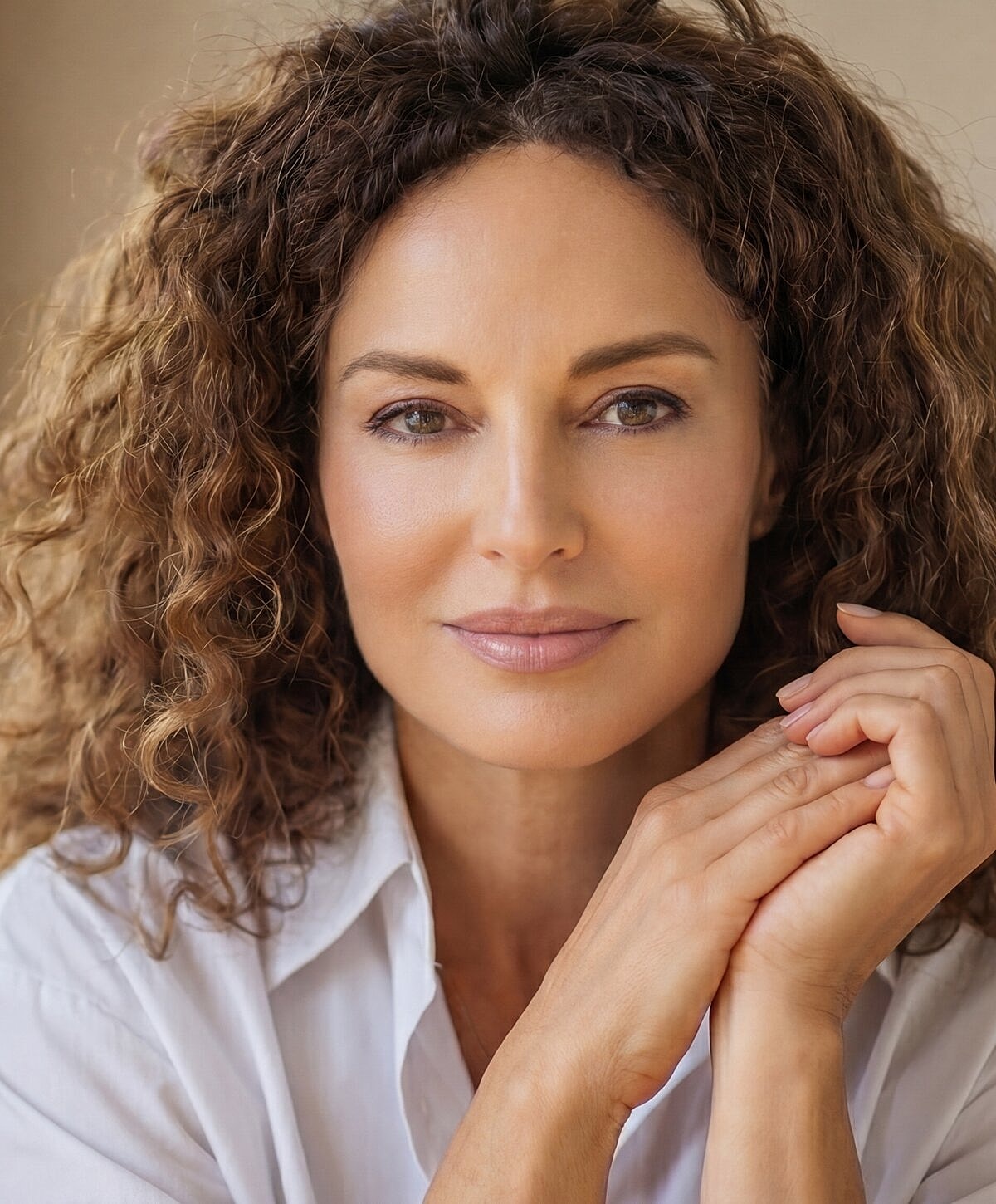

Both men and women appreciate the way blepharoplasty turns back the clock on signs of aging around the eyes. Eyelid surgery is a good fit for those who feel their eyes do not reflect their internal energy. During your consultation, Dr. Otake will evaluate your goals, medical history, and eye area to ensure this surgical technique is a safe and effective option for you.
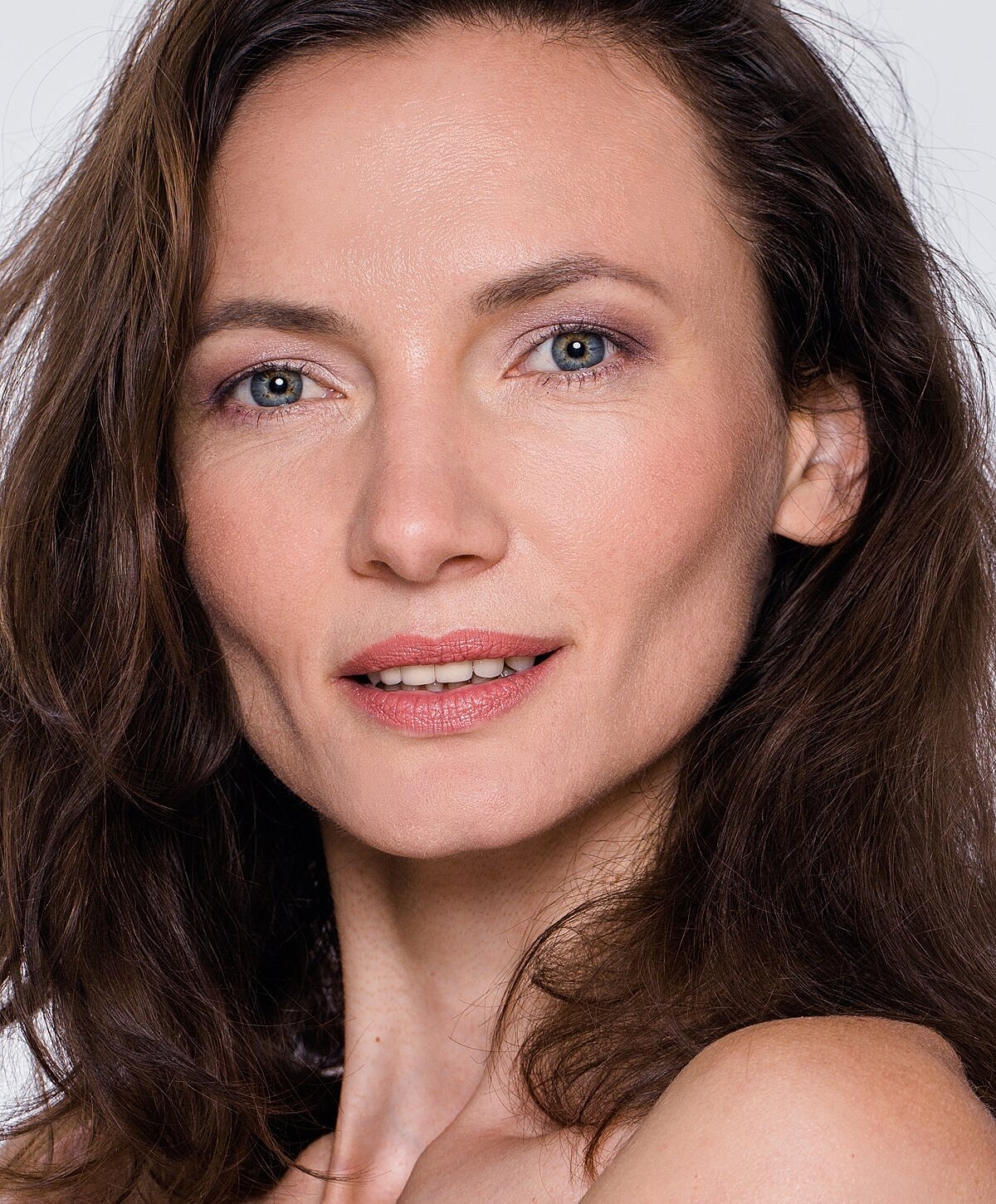
For the first few days, you may experience some mild swelling, bruising, and a "tight" sensation around the eyes, which is managed with cold compresses and prescribed ointment. Dr. Otake provides detailed instructions on when you can resume wearing contact lenses and makeup. Most patients return to social daily activities within a week. Dr. Otake monitors your progress closely during follow-up visits and remains fully available to offer extra guidance and support throughout the recovery process.

While you will notice a significant change immediately, your final results will emerge over the next 4 to 6 weeks as the swelling fully resolves and the tissues stabilize. You will notice a significantly smoother eye area and a more vibrant, youthful gaze.
These results are designed to be exceptionally long-lasting. While the aging process continues, the fat removed during blepharoplasty typically does not return. By maintaining a healthy lifestyle and protecting the delicate eye area from sun damage, you can enjoy your refreshed, alert profile for many years to come.
Eyelid rejuvenation is more than skin-deep; it is a structural recalibration of fat, muscle, and skin. As an MD/PhD, Dr. Otake brings an academic understanding of anatomy to every procedure, promoting superior healing and long-term results. Patients from across New York and Connecticut choose Otake MD for this rare fusion of high-level clinical expertise and a high-touch, personalized patient experience.

Yes. Many patients have both sagging eyelids and a descending brow. Combining these procedures allows for a comprehensive rejuvenation of the upper face and ensures the results are harmoniously balanced.
Dr. Otake is a specialist in scar management. For the upper lids, the incision is hidden in the natural crease. For the lower lids, the incision is often made inside the lid (transconjunctival) or just below the lash line. Once healed, these scars are virtually undetectable.
The results of an upper blepharoplasty typically last 10–15 years, while lower blepharoplasty results are often permanent, as the fat bags rarely return.
Most patients report very little pain after blepharoplasty, describing it more as a "tightness" or "dryness." Any discomfort is easily managed with over-the-counter or mild prescription medication.
While blepharoplasty removes excess skin and fat, it does not specifically address the fine wrinkles at the outer corners of the eyes. These are best treated with Botox or laser resurfacing, which can be performed in conjunction with your surgery.
Most patients feel comfortable returning to work and social settings within 7 to 10 days, once the majority of the swelling and bruising has subsided.