Breast Implant Reconstruction
Serving patients in Fairfield County, Westchester County, and New York City

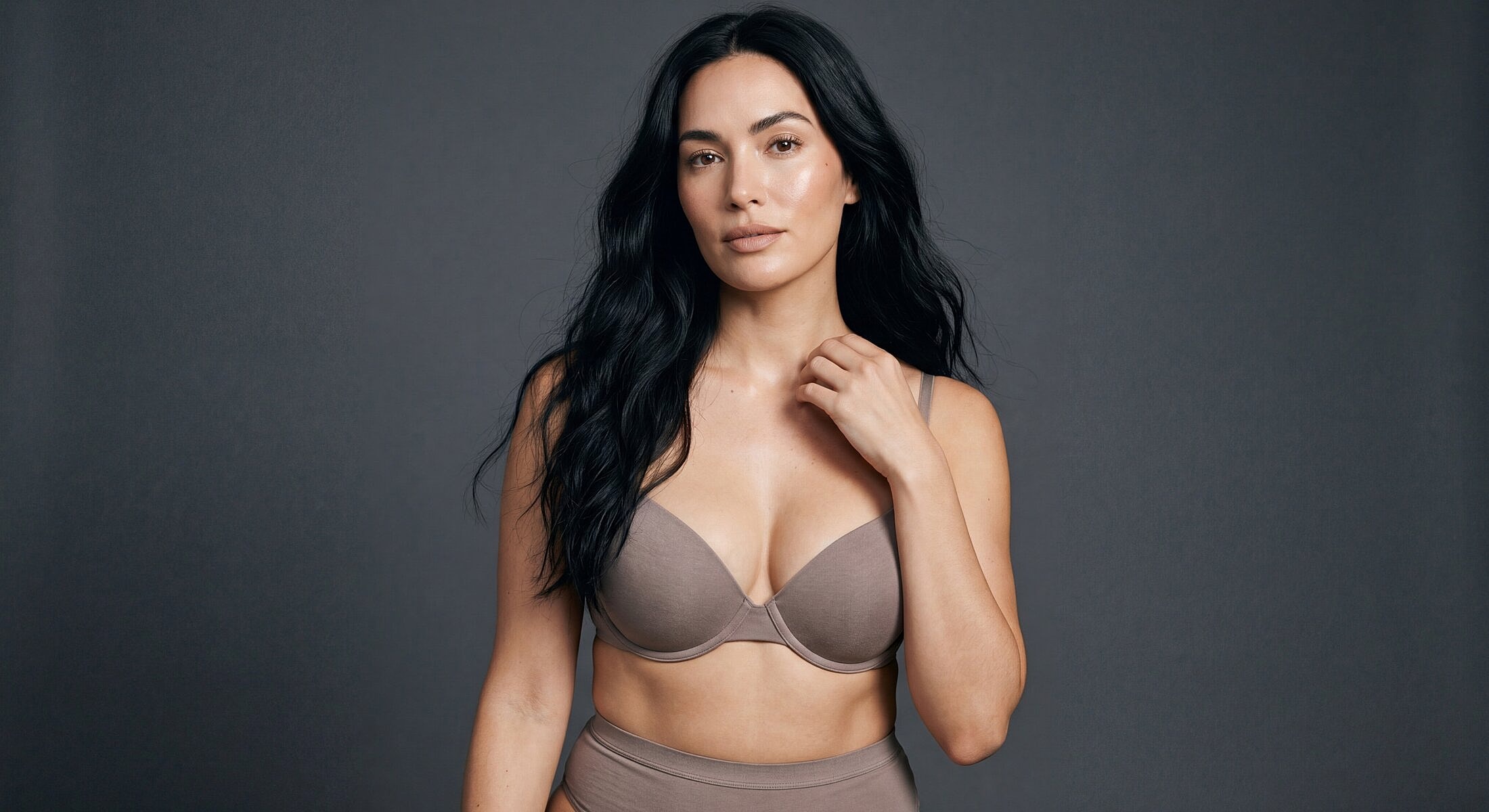
For many breast cancer patients, implant-based breast reconstruction offers the most effective path toward physical recovery. This specialized area of reconstructive breast surgery involves using breast implants—either saline or silicone gel—to recreate the breast mound after breast cancer surgery. Dr. Leo Otake’s extensive experience in breast reconstruction ensures that your treatment is handled with the highest degree of safety, precision, and artistry.
Dr. Otake works closely with your breast surgeons to determine if immediate reconstruction at the time of mastectomy or delayed reconstruction is most appropriate for your health. In our White Plains practice, we prioritize personalized care, ensuring you feel heard, informed, and supported at every milestone of your breast reconstruction journey.

Breast implant reconstruction is a surgical procedure that restores the breast area after a mastectomy or lumpectomy. Unlike flap reconstruction (or flap surgery), which uses your own autologous tissue, this method relies on medical-grade breast implants to provide volume.
Patients often have two primary paths. The most common is a two-stage implant breast reconstruction. In the first stage, a tissue expander implant is placed under the chest muscle or chest wall muscle. This device is gradually filled with saline over several weeks to stretch the breast tissue and skin. In the second stage, the expander is replaced with a permanent implant. For some patients, a "direct-to-implant" immediate reconstruction may be possible, bypassing the expander stage entirely.

On the day of your reconstruction surgery, Dr. Otake and his team prioritize your comfort. The implant surgery is performed under general anesthesia in a state-of-the-art facility. If you are undergoing a two-stage process, Dr. Otake carefully creates a pocket behind or in front of the chest muscle.
He may use an acellular dermal matrix to support tissue expanders and create a more natural breast shape. This advanced material acts as a scaffold for your own blood vessels and tissue to grow into. If you have undergone a nipple-sparing mastectomy, Dr. Otake works with extreme precision to preserve the blood supply to the remaining skin, ensuring a beautiful result for your new breast.
Reconstructive breast surgery is primarily designed for women who have lost one or both breasts due to breast cancer. It also addresses the needs of high-risk patients who choose a prophylactic mastectomy to prevent breast cancer. Beyond restoring volume, Dr. Otake can perform nipple reconstruction and address the mastectomy scar to ensure your reconstructed breast feels like a natural part of your body.
Implant-based breast reconstruction restores your silhouette without the need for additional donor sites on the body (unlike DIEP flap or other tissue flaps). It typically involves a shorter surgery and recovery time compared to autologous tissue methods. For many, seeing a natural breast profile again is a vital part of the cancer treatment journey. It allows you to wear clothing with ease and move forward with a sense of wholeness.

Patients who have enough healthy skin to cover an implant and whose cancer treatment (such as radiation therapy) allows for the use of medical devices may be candidates for implant breast reconstruction. Dr. Otake will review your medical history, ensuring there are no issues like connective tissue disease that might impact wound healing.
Whether you seek immediate reconstruction or have waited years for delayed reconstruction, we will create a tailored plan for your unique needs. Dr. Otake also specializes in autologous breast reconstruction, ensuring you have access to the best treatment techniques for you, all under one roof.

Recovery from breast implant reconstruction surgery requires patience and expert guidance. You will likely experience some swelling and soreness in the breast area and chest. Dr. Otake provides detailed instructions on managing your activity levels and caring for your incisions.
If you have a tissue expander, you will return to our White Plains office periodically to have it gradually filled. Once the skin has reached the desired volume, you will schedule a relatively minor further surgery to place the permanent implant. Dr. Otake’s background expertise is microsurgery and biochemistry means he monitors your blood supply and scar tissue closely to ensure the best possible aesthetic and functional outcome.

The final appearance of your reconstructed breast will emerge over several months as the tissue softens and the breast shape settles. You will notice a restored natural breast shape that fits beautifully in your favorite clothing and restores your sense of symmetry.
While breast implants are not lifetime devices and may require more surgery in the future, the results of breast reconstruction after mastectomy are designed to be long-lasting. You will see a transformation that honors your journey and provides a vibrant, confident path forward.
Dr. Leo Otake offers a level of expertise that is rare among plastic surgeons. As an MD/PhD with over 17 years of experience, he treats breast reconstruction as both a scientific pursuit and a deeply personal mission.
His role as Division Chief at Stamford Hospital and his fellowship training in reconstructive microsurgery allow him to offer the full spectrum of care, from implant reconstruction to complex flap reconstruction. At Otake MD, we combine academic-caliber precision with a boutique, patient-centered environment to help you reclaim your confidence.

Neither is "better"—the right choice depends on your body, your cancer treatment plan, and your personal preferences. Implant breast reconstruction is less invasive than using a DIEP flap, but it does involve a medical device. Dr. Otake will discuss the pros and cons of each during your consultation.
Radiation therapy can sometimes cause the tissue to become firm or scarred, a condition called capsular contracture. Dr. Otake is highly experienced in navigating the needs of patients who require radiation, often using a tissue expander to preserve the skin's integrity during the process.
This is a form of immediate reconstruction where Dr. Otake places the permanent implant at the same time as the mastectomy. This is often an option for patients undergoing a nipple-sparing mastectomy who have sufficient healthy skin to support the implant immediately.
While rare, anaplastic large cell lymphoma (breast implant-associated anaplastic large cell lymphoma) is a condition that has been linked to textured implants. Dr. Otake stays at the forefront of research from organizations like the National Cancer Institute and the National Comprehensive Cancer Network to ensure he uses the safest, most modern devices available.
Absolutely. Nipple reconstruction and areola tattooing are typically the final stages of the reconstruction surgery. These are often performed a few months after the permanent implant is placed, once the breast mound has settled into its final position.
Most women lose some breast sensation after a mastectomy because the nerves are severed during the removal of the breast tissue. However, the reconstructed breast will still feel like a natural part of your body in terms of its weight and presence.