Breast Reconstruction
White Plains and Westchester, NY


Breast reconstruction can restore breast shape and symmetry after mastectomy using an implant, your own tissue, or a combination of techniques. For many women, this decision comes during an already demanding period following a breast cancer diagnosis. There is a great deal to consider, and there is no single reconstruction method that suits every patient.
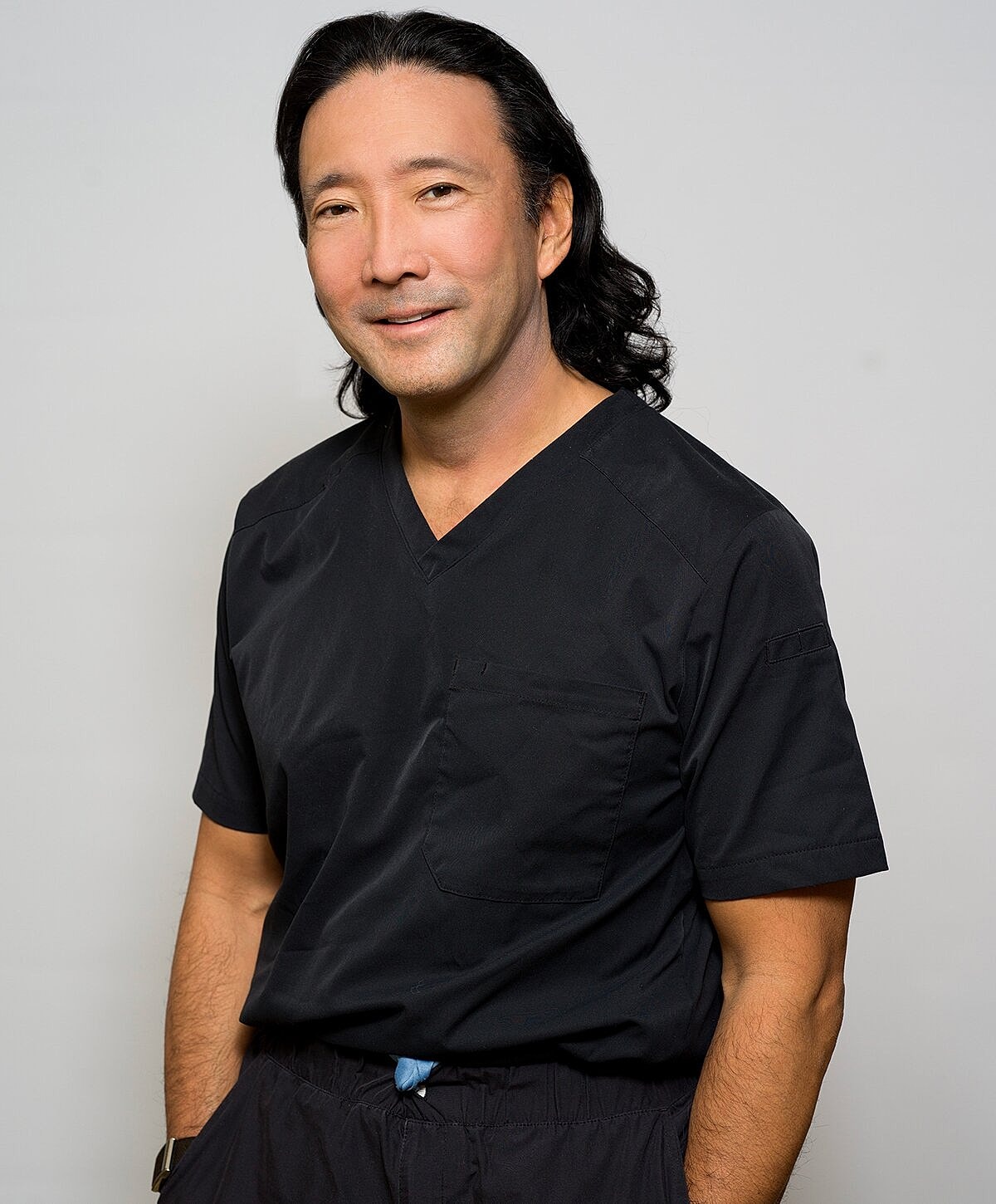
Timing and technique vary depending on cancer treatment, prior breast surgery, radiation history, available donor tissue, overall health, and personal preferences. Dr. Leo Otake approaches breast reconstruction in Westchester with an understanding of both the surgical complexity and the personal weight of these decisions.
As a board-certified plastic surgeon with advanced training in reconstructive microsurgery, Dr. Otake offers the full spectrum of breast reconstruction options at his White Plains practice. His experience spans implant-based reconstruction, complex free-flap surgery, fat grafting, and revision of previous reconstruction. Having several techniques available allows each recommendation to be shaped around your anatomy, medical needs, and long-term well-being.

Rebuilds breast shape and volume after mastectomy and can improve symmetry between the breasts.
Implant reconstruction, DIEP flap, PAP flap, SGAP/IGAP flaps, other autologous techniques, fat grafting, and revision procedures.
Reconstruction may begin during the initial surgery or take place months or years after mastectomy.
Cancer treatment, tissue quality, prior operations, radiation history, overall health, and personal preferences can all influence which surgical procedure is appropriate.
Breast reconstruction is plastic surgery performed to recreate breast shape after mastectomy. It may involve breast implants, tissue transferred from another part of your body, or a combination of both. Reconstruction may be performed on one breast or both, and surgery on the other breast may sometimes be recommended to improve balance and symmetry.
Some patients begin reconstruction during the same operation as their mastectomy. Others return after breast cancer treatment is complete, including patients who decide on reconstruction years later. Both paths are valid.
Dr. Otake considers the mastectomy technique, remaining skin and soft tissue, previous incisions, donor sites, anticipated radiation, breast size, and possible later procedures such as fat grafting or nipple reconstruction. He also considers how each decision may affect future stages of surgery, giving patients a clear picture of what reconstruction may involve before moving forward.
Breast reconstruction generally falls into two main categories: implant-based reconstruction and autologous reconstruction using your own tissue. Each comes with different surgical requirements, recovery considerations, and long-term implications.
A consultation with an experienced plastic surgeon gives you the opportunity to compare these approaches carefully rather than feeling pressured toward one particular option.
Breast implant reconstruction uses a saline or silicone implant to restore breast volume. Some patients can have a permanent breast implant placed during the initial surgery. For others, reconstruction is a two-stage procedure that begins with a tissue expander. The expander gradually creates space within the breast before it is exchanged for the final implant.
Silicone implants are commonly used in breast reconstruction and contain silicone gel within a silicone outer shell. Implant selection varies according to anatomy, tissue coverage, breast dimensions, and the type of result being created.
Implant reconstruction usually involves a shorter operation and avoids a second surgical donor site. It does, however, introduce a medical device that may require monitoring or additional surgery later in life. The FDA advises that breast implants are not lifetime devices, so the possibility of future procedures is an important part of the conversation.
Although implants are also used in cosmetic breast augmentation, reconstruction after mastectomy involves a very different surgical setting. Skin quality, cancer treatment, scarring, radiation, and the amount of remaining breast tissue all affect how the implant is selected and positioned.
Autologous breast reconstruction rebuilds the breast using skin and fat from another area of your body. Free-flap reconstruction requires microsurgery to reconnect small blood vessels at the chest so the transferred tissue has a healthy blood supply.
These procedures involve a longer operation and an additional donor-site incision, but they create a breast mound from living tissue and eliminate the need for a permanent implant. The reconstructed breast can soften and settle naturally with time, and the tissue changes along with the rest of your body.
Autologous reconstruction may also be particularly valuable for patients whose skin and chest tissue have been affected by radiation.
The DIEP flap uses skin and fat from the lower abdomen while preserving the rectus abdominis muscle. Dr. Otake transfers this tissue to the chest and reconnects its blood vessels using microsurgical techniques.
For patients with suitable abdominal tissue, DIEP reconstruction can provide a durable breast mound made from their own body tissue while limiting disruption to the abdominal muscle. The abdominal donor site is closed with carefully placed incisions, and the breast is shaped to create balanced, natural results.
The abdomen is only one possible donor site. A PAP flap uses tissue from the upper inner thigh, while SGAP and IGAP flaps use tissue from the buttock region.
These breast reconstruction options may be considered for patients who have limited abdominal tissue, previous abdominal surgery, or anatomy that makes another donor site more appropriate. Dr. Otake evaluates the amount and quality of available skin and fat before determining which flap technique offers the strongest surgical foundation.
Immediate reconstruction begins during the same operation as the mastectomy. Delayed reconstruction takes place after the mastectomy has healed and may occur months or even years later.
Neither timeline is inherently better. Radiation, chemotherapy, the type of mastectomy, medical risk factors, and tissue quality can all affect surgical timing.
For someone facing a new cancer diagnosis, making decisions about reconstruction at the same time as cancer treatment can feel like an enormous amount to process. Dr. Otake takes the time to explain which decisions need to be made now and which can safely wait. When appropriate, he works alongside the breast surgeon and oncology team so reconstruction fits appropriately within the broader course of care.
Radiation can make the skin and soft tissue of the chest firmer, thinner, and less elastic. It can also increase the risk of wound-healing problems and capsular contracture around an implant.
A history of radiation does not automatically rule out breast reconstruction. It simply changes the surgical considerations.
Autologous tissue is often considered because it introduces healthy, well-vascularized tissue into the treated area. Implant reconstruction may still be appropriate for selected patients depending on the condition of the skin, chest wall, and surrounding tissue. Dr. Otake evaluates previous breast surgery, radiation effects, donor-site availability, and current anatomy before recommending a technique.
Breast reconstruction can restore contour after mastectomy, improve symmetry, and address physical changes left by breast cancer surgery. Depending on your anatomy and reconstructive method, additional procedures such as fat grafting, scar revision, nipple reconstruction, or surgery on the other breast may be used to further refine the result.
Potential benefits include:

Reconstruction sometimes needs refinement after the initial surgery. Revision may address asymmetry, implant malposition, capsular contracture, rippling, contour irregularities, painful scar tissue, or changes caused by radiation.
Previous surgery can make these cases considerably more intricate. Scar tissue, altered blood supply, thinning skin, implant pockets, and prior incisions can all affect what can safely be corrected.
Dr. Otake performs complex breast reconstruction revision using techniques that may include implant exchange, capsulectomy, fat grafting, flap revision, and conversion from implants to autologous tissue. Fat used for grafting is typically collected from another area of the body through liposuction before being carefully processed and transferred to the breast.
Patients with recurring implant problems may also be candidates for an implant-to-DIEP or other autologous flap conversion.

Many patients who have undergone or are preparing for mastectomy can consider breast reconstruction. Candidacy depends on overall health, cancer treatment, smoking or nicotine use, previous operations, available donor tissue, breast anatomy, and personal priorities.
Some patients arrive at their consultation shortly after diagnosis. Others come to Dr. Otake after living with the results of a mastectomy or previous reconstruction for years. Both situations deserve the same thoughtful evaluation.
During your consultation, Dr. Otake reviews your medical and surgical history, examines the breast and chest tissues, and evaluates possible donor sites when autologous reconstruction is being considered. Previous radiation, abdominal surgery, breast implants, and reconstruction complications are all important to discuss before choosing the safest and most appropriate approach.
The consultation is deliberately collaborative. You will have space to ask questions, consider your options, and understand what surgery could realistically achieve without being rushed toward a decision.

The surgical procedure varies considerably depending on the type of reconstruction.
Implant reconstruction may involve a tissue expander followed by a later exchange for a permanent implant, or a direct-to-implant approach in selected patients. Free-flap reconstruction involves transferring living tissue from a donor site and using microsurgery to reconnect its blood vessels in the chest.
Some patients complete the major portion of reconstruction in one operation and return later for smaller refinements. Others undergo a staged process that may include fat grafting, scar revision, nipple reconstruction, creation of a nipple mound, areola tattooing, or surgery on the other breast.
Dr. Otake discusses the expected sequence before surgery, including which stages are likely to be necessary and which may depend on how your tissue heals. This allows you to approach reconstruction with a clearer understanding of the process rather than encountering each step unexpectedly.

Recovery varies considerably between implant reconstruction and autologous flap surgery.
Implant reconstruction generally has a shorter initial recovery because there is no donor site. Free-flap surgery requires healing at both the breast and the area where tissue was harvested, so recovery is more involved.
Early recovery may include swelling, soreness, temporary drains, prescribed pain medication, activity restrictions, and follow-up appointments. Microsurgical flap patients also require close monitoring of the transferred tissue during the early postoperative period.
Most patients gradually become more comfortable and mobile as healing progresses. The exact timeline for returning to work, exercise, lifting, and unrestricted activity depends on the procedure performed and your individual recovery. Over the following months, swelling continues to decrease, scars mature, and reconstructed tissue gradually softens.
The appearance of a reconstructed breast continues to change for several months after surgery as swelling resolves and the tissue settles. Final breast shape is influenced by the reconstructive technique, mastectomy pattern, skin quality, radiation history, healing response, and any later refinement procedures.
Autologous tissue ages and changes with your body. Breast implants remain medical devices and may require future surgery. Neither option creates a breast that is identical to the breast before mastectomy, and Dr. Otake is careful to discuss those limitations openly.
His attention is focused on creating a breast that feels proportionate to your body, works with the available tissue, and remains as durable and natural-looking as your anatomy allows.
Breast reconstruction requires expertise in plastic surgery, microsurgery, tissue healing, and the surgical effects of breast cancer treatment. It also requires judgment. Small technical decisions made during surgery can influence blood supply, wound healing, scar placement, breast shape, and future reconstructive options.
Dr. Leo Otake brings this depth of training to patients seeking breast reconstruction in Westchester County, White Plains, Fairfield County, and throughout the greater New York area.
He earned his medical degree and PhD at Yale and completed plastic surgery training at Yale New Haven Hospital, followed by fellowship training in reconstructive microsurgery at Stanford University Medical Center. He is a board-certified plastic surgeon and Fellow of the American College of Surgeons. His practice includes advanced breast reconstruction, microsurgery, revision surgery, and complex tissue repair.
Dr. Otake also serves as Division Chief of Plastic Surgery at Stamford Hospital and participates in surgical education. His scientific background, microsurgical training, and experience with difficult revision cases give him an unusually broad perspective on reconstruction.
Just as important, his New York practice is built around careful conversation. Patients are given time to understand their options, ask difficult questions, and make decisions within a collaborative atmosphere that respects the emotional and medical complexity of breast surgery.

No. Breast reconstruction can begin at the time of mastectomy or later. Delayed reconstruction remains possible months or years after breast cancer surgery, allowing patients to revisit the decision once they have healed or completed treatment.
The choice depends on your anatomy, treatment history, available donor tissue, previous surgery, preferred recovery, and feelings about living with an implant. Dr. Otake reviews the advantages and limitations of each technique so you understand how each option applies to your body and medical history.
Yes. Radiation changes the quality and elasticity of treated tissue and can affect which reconstructive techniques are most appropriate. Autologous tissue is often considered in this setting, although implant reconstruction may still be suitable for selected patients.
Yes. Revision breast surgery can address changes in symmetry, contour, scar tissue, implant position, rippling, capsular contracture, or problems related to previous radiation or surgery. Dr. Otake also performs implant-to-autologous conversion for appropriate patients.
Mastectomy commonly causes numbness because breast nerves are cut or disrupted during surgery. Some sensation may return over time, but the degree of recovery varies from patient to patient. Dr. Otake can discuss what may be realistic based on your mastectomy and reconstruction technique.
Under the Women’s Health and Cancer Rights Act, many health plans that cover mastectomy must also cover breast reconstruction, surgery on the other breast to achieve symmetry, and treatment of physical complications related to mastectomy. Coverage varies by plan, and the practice can assist with documentation and authorization.