Skin Cancer Reconstruction
Serving patients in Fairfield County, Westchester County, and New York City

While the primary goal of any skin cancer treatment is the complete removal of the malignancy, the resulting defect can often be physically and emotionally taxing. Skin cancer reconstruction is a specialized field of reconstructive surgery dedicated to repairing the site after a tumor has been excised. Whether you have undergone a standard skin cancer excision or Mohs surgery, the priority shifts to closing the wound in a way that preserves both function and appearance.
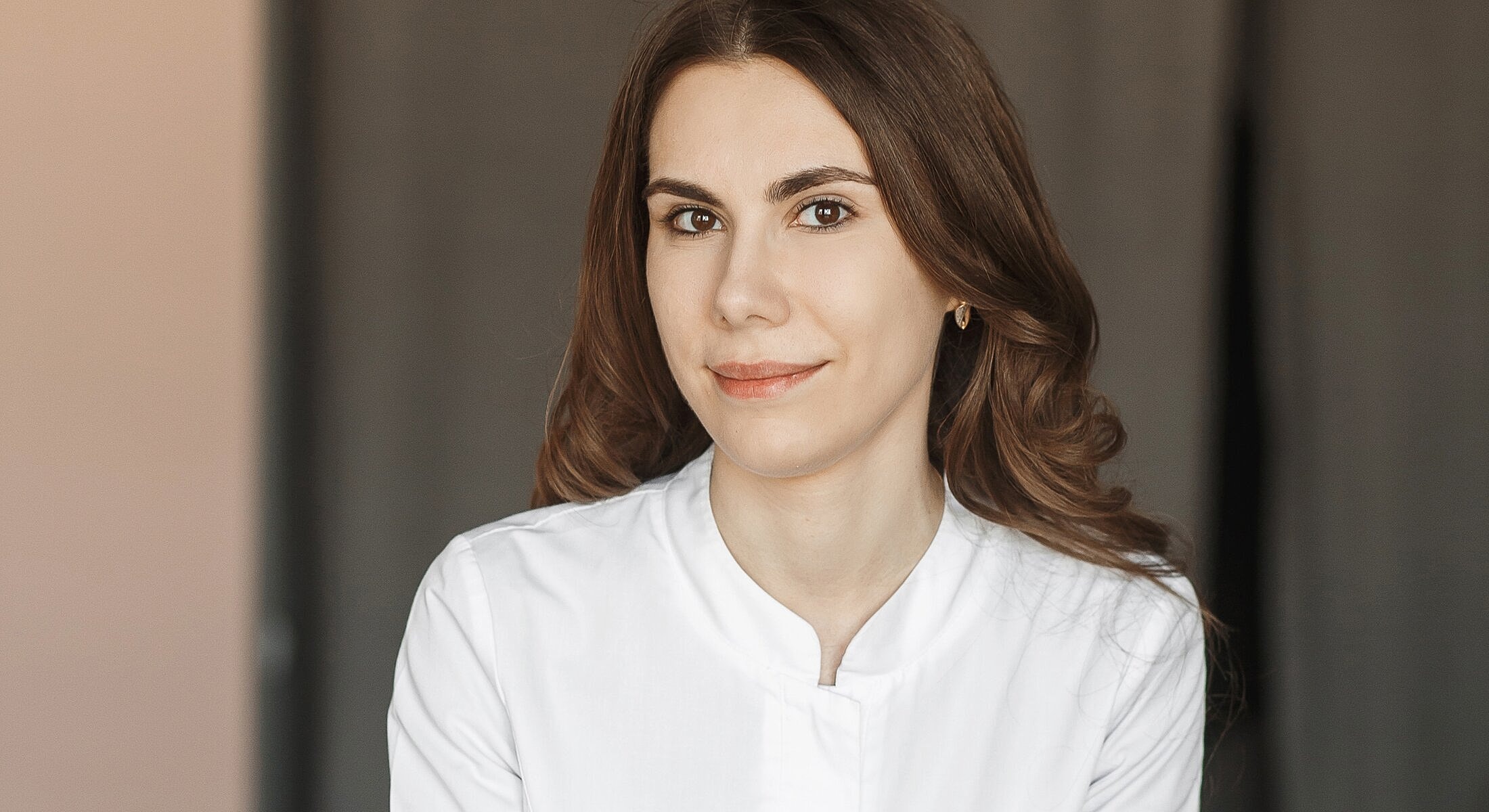
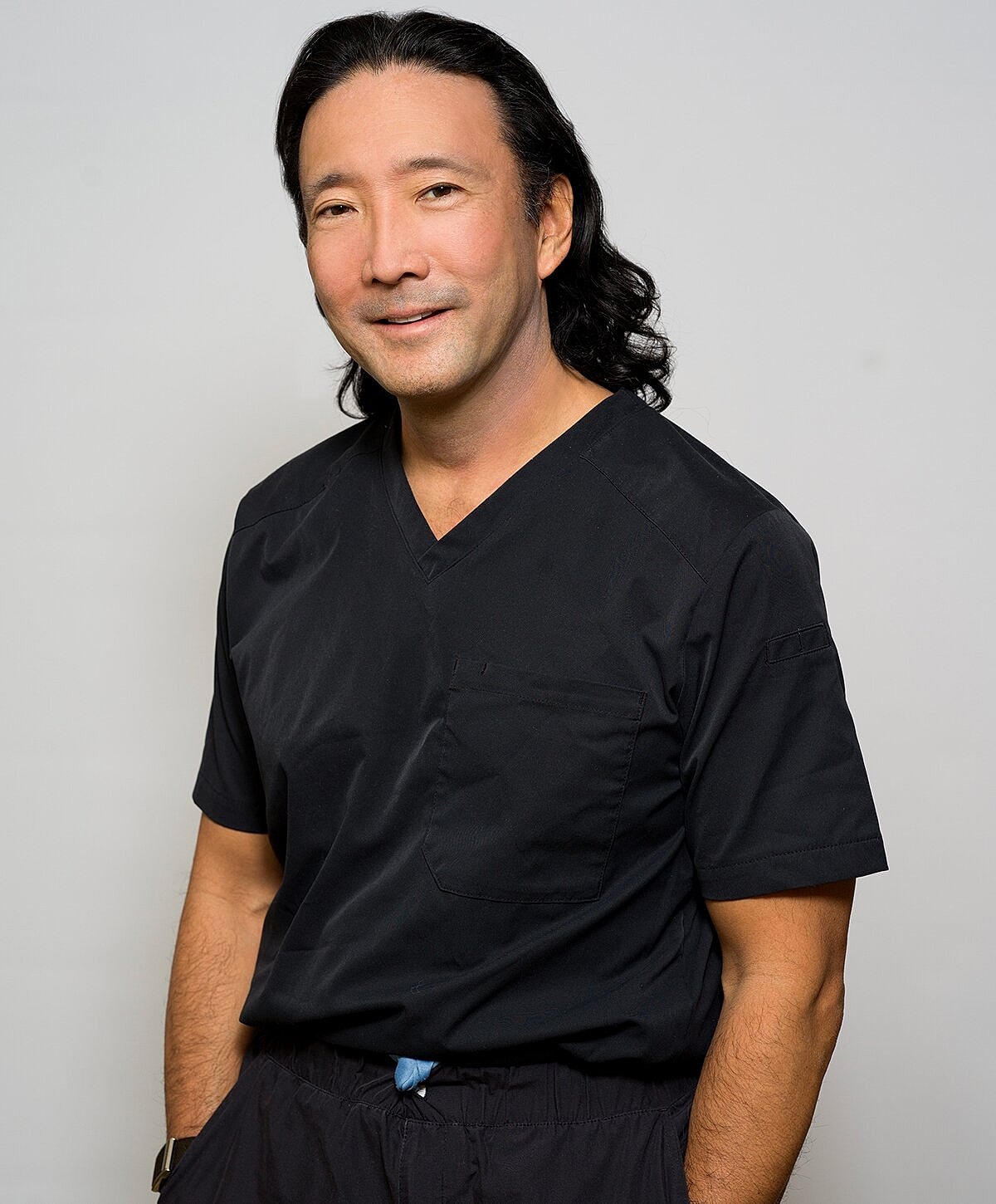
With extensive experience in microsurgery and reconstruction, Dr. Leo Otake is a Yale-trained MD and PhD who understands the complex layers of the skin, muscle, and cartilage. He works closely with Mohs surgeons to provide immediate or delayed repair, ensuring that the reconstruction is as precise as the cancer removal itself. Choosing a surgeon with a deep understanding of wound healing biochemistry ensures that your path to recovery is supported by the highest clinical standards.

Facing a skin cancer diagnosis is a heavy burden, and the concern over how you will look and feel after surgery can be just as daunting as the diagnosis itself. Skin cancer reconstruction is a surgical procedure designed to close the wound left behind after a surgeon removes cancerous tissue. Dr. Otake's expertise in microsurgery, reconstructive surgery, and plastic surgery makes him uniquely qualified to help patients restore optimal aesthetics and functionality after skin cancer surgery.
The complexity of the reconstruction depends on the location and size of the defect. For small areas, a simple closure may suffice, but larger or more prominent areas may require more sophisticated techniques. Dr. Otake offers several options for cancer reconstruction. Local flaps involve moving surrounding skin into the defect while keeping the blood supply intact. For areas where a flap isn't ideal, skin grafts may be used, where skin is taken from a donor site and placed over the wound. In advanced cases, Dr. Otake may utilize complex facial reconstruction methods to rebuild structures like the ears or the nose.
The procedure typically takes place on an outpatient basis or in the operating room, depending on the complexity. While smaller repairs can be done under local anesthesia, more extensive work may require sedation. Before the surgery, Dr. Otake carefully evaluates the wound left after the skin cancer is gone to design the most effective treatment plan.
Surgical techniques to restore missing tissue vary and may include a local flap or skin graft. For procedures like nasal reconstruction, Dr. Otake may need to use cartilage from the ear or ribs to provide structural support. Once the reconstruction is complete, he uses fine sutures to close the skin, prioritizing the concealment of scars within the natural folds of the body.
This treatment is essential for patients who have undergone Mohs micrographic surgery or standard excision to treat skin cancer. It is commonly used after the removal of basal cell carcinoma, squamous cell carcinoma, and melanoma. Dr. Otake’s expertise ensures that even if the cancer was located in a sensitive area, such as the eyelids or nose, the function and look of the area are preserved.
Dr. Otake performs skin cancer reconstruction on the head, neck, and body. He is particularly known for his work in facial plastic surgery, where the aesthetic stakes are highest, including specialized nasal reconstruction and repairs to the ears and lips.

The primary benefit of this reconstructive surgery is the restoration of the patient’s appearance and self-confidence. A skillfully performed reconstruction ensures that the site where the cancer was removed does not become a permanent distraction or a source of functional impairment.
Beyond aesthetics, reconstruction is vital for maintaining function. This includes ensuring the eyelids can close properly, the nose remains clear for breathing, and the neck retains its full range of motion. By choosing a surgeon with an academic background, you benefit from a repair that considers the long-term biological health of the treated area.
Most patients who have a confirmed diagnosis and have undergone or are scheduled for skin cancer removal are good candidates for reconstruction. During your consultation, Dr. Otake will perform a physical examination of the skin and review the extent of the tumor. He will discuss what to expect and create a plan tailored to the location and size of the wound.

Your recovery begins with a focus on protecting the repair. You may experience some swelling and bruising, which is normal and typically subsides within the first few weeks. Dr. Otake will provide specific instructions on wound care to prevent infection and promote the best possible healing.
A follow-up visit will be scheduled to remove sutures and monitor the tissue health. As a specialist in wound healing, Dr. Otake monitors his patients closely to ensure the flap or graft is thriving. Most patients are surprised by how quickly they can return to their daily routines as the treated area settles and the scars begin to fade.
The initial results of your reconstruction are visible soon after surgery, though the final appearance of the treated area will continue to improve over several months. You can expect the swelling to resolve and the skin to blend more naturally with the surrounding skin.
While some degree of scarring is inevitable with any surgery, Dr. Otake’s meticulous techniques ensure the scar is as discreet as possible. The goal is to return you to a state where the cancer removal is no longer the first thing you or others notice, allowing you to focus on a healthy, cancer-free future.
Dr. Leo Otake offers a level of expertise that bridges the gap between complex academic research and personalized private practice. A Yale-trained MD and PhD, Dr. Otake is fellowship-trained in microsurgery and has 17+ years of clinical experience.
He possesses the technical skill to handle the most challenging cancer reconstruction cases. His patient-centered approach ensures that you are treated with dignity and compassion throughout your skin cancer treatment journey.

In many cases, Dr. Otake can perform the reconstruction the same day as your Mohs surgery or the following day. This coordinated care approach ensures the wound is closed promptly. During your consultation, we will coordinate with your Mohs surgeons to create a seamless timeline.
Every surgical procedure results in some level of scarring, but Dr. Otake is an expert in minimizing their appearance. He uses advanced facial plastic techniques to place incisions in natural skin creases. Over time, these scars typically fade and become very discreet.
A graft involves taking a piece of skin from a donor site (like behind the ear) and placing it over the wound. A flap involves moving tissue that is still connected to its original blood supply from an area adjacent to the defect. Flaps often provide a better color and texture match for the face.
Because this is a reconstructive surgery rather than a purely cosmetic surgery, most insurance plans cover the procedure. Our office can help you navigate the details of your coverage to ensure you receive the treatment you need.
The initial healing of the skin takes about two weeks, which is when sutures are usually removed. However, the tissue continues to remodel under the surface for several months. Dr. Otake will provide guidance on how to care for the area during this entire recovery period.
As with any surgery, there are risks of infection, bruising, or issues with wound healing. However, Dr. Otake’s meticulous surgical technique and deep knowledge of tissue viability significantly reduce the likelihood of these complications.