Complex Scar Revision
Serving patients in Fairfield County, Westchester County, and New York City

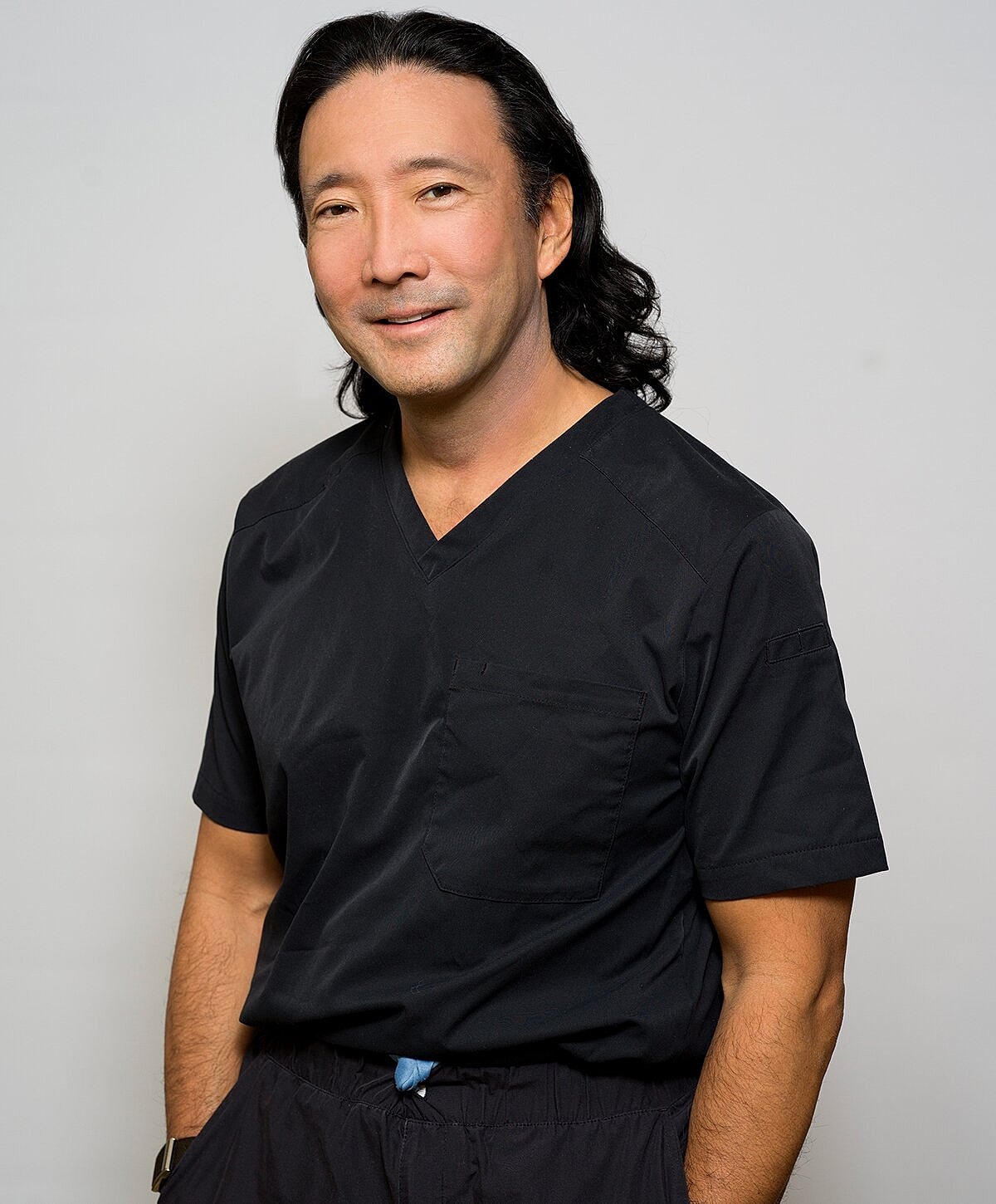
When it comes to complex scar revision, the skill of your surgeon is paramount. Dr. Leo Otake possesses advanced training in both plastic surgery and reconstructive surgery, allowing him to address difficult scar tissue that others might find challenging. Whether you are dealing with skin cancer defects after Mohs surgery or lingering marks from a traumatic injury, Dr. Otake creates a personalized treatment plan focused on achieving the best possible aesthetic result.

Scar revision is a specialized area of reconstructive surgery used to reduce the prominence of scar tissue so that it blends more naturally with the surrounding skin. While no scar can be completely removed, scar revision surgery can significantly improve the texture, width, and color of the mark.
Dr. Otake utilizes multiple strategies to treat different types of scars. This may include surgical reconstruction to reposition an incision, topical treatments for surface irregularities, or steroid injections to flatten hypertrophic scars and keloids. For patients undergoing skin cancer treatment, this process often goes hand-in-hand with skin cancer reconstruction to ensure that once the cancer cells are gone, the resulting wound heals with minimal deformity.
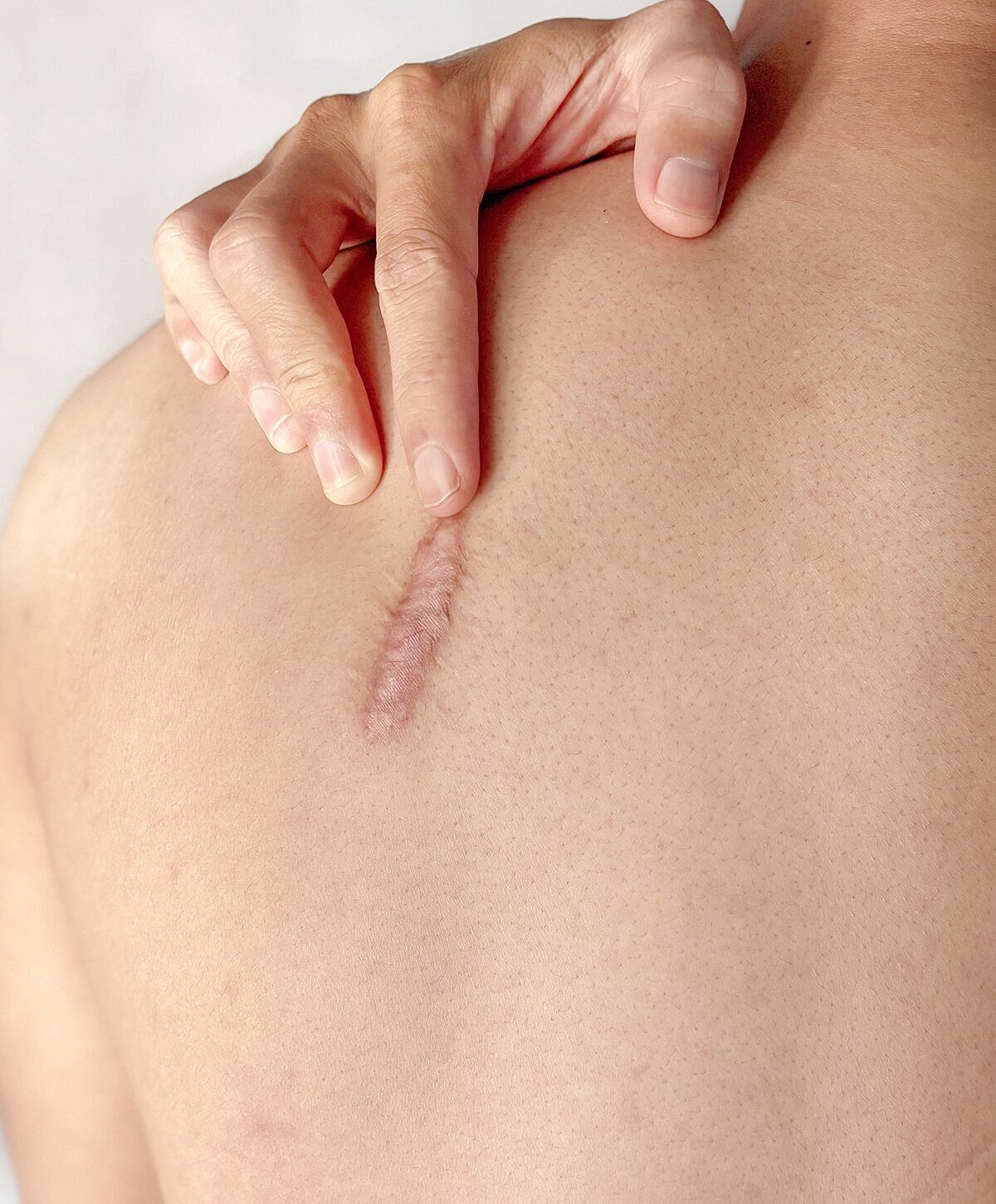
On the day of your surgery, the specific surgical techniques used will depend on the type of scar and its location on the body. For many patients, Dr. Otake performs revision surgery using local anesthesia. If the scar is large or involves deep tissue loss, a more extensive surgical reconstruction may be required.
Dr. Otake may utilize a skin flap, which involves moving surrounding skin (with its blood supply intact) over the wound. In cases where more tissue is needed, skin grafting, taking skin from another part of the body known as a donor site, is an effective option. Throughout the procedure, Dr. Otake works to preserve as much healthy skin as possible while restoring form to the area.
Dr. Otake treats a variety of conditions, including:
Scar revision surgery can be performed on almost any part of the body. Dr. Otake specializes in facial plastic repairs for the nose, ears, and cheeks, as well as neck surgery to restore mobility and appearance.

The primary benefit of scar revision is the restoration of self-confidence. Improving the appearance of a visible scar helps many patients feel more comfortable in social and professional settings.
Beyond aesthetics, reconstructive surgery offers functional benefits. If a scar is tight or painful, revision surgery can release the tension, improving function and range of motion. For those who have undergone Mohs micrographic surgery, expert skin cancer reconstruction ensures the treatment doesn't leave a life-altering mark.

Scar revision should be performed after a scar has fully matured, usually 6–12 months after the initial injury or surgery. It is important that patients have realistic expectations, understanding that the goal is improvement rather than total invisibility. If you have recently undergone skin cancer removal by a Mohs surgeon, you may be a candidate for immediate reconstruction.

Proper follow-up care is essential for successful wound healing. During the initial healing process, you may need to wear specialized bandages or undergo pressure therapy to prevent new scars from becoming raised.
Dr. Otake and his care team will provide a detailed treatment plan for the weeks following surgery. This may include avoiding sun exposure to protect the healthy skin and using topical treatments or silicone sheeting. If your reconstruction involves skin grafting, you will also need to care for the donor site.
You will notice an improvement in the appearance of your skin as the initial wound heals, but final results can take several months to a year to fully manifest. Over time, the scar tissue will soften, fade, and become less noticeable.
The longevity of your results depends on many factors, including your skin type and how well you follow the post-operative treatment instructions. For patients who have completed skin cancer treatment, the result is a functional and aesthetic reconstruction that allows them to move forward from cancer with confidence.
Dr. Otake is a leading surgeon in facial plastic and reconstructive surgery. His deep understanding of the relationship between skin, muscle, and underlying tissue allows him to perform complex scar revision with unmatched precision. He often collaborates with the local Mohs surgeon to provide immediate surgical reconstruction after skin cancer is completely removed, ensuring his patients receive seamless care.

Mohs micrographic surgery is a highly effective skin cancer treatment that removes cancer cells layer by layer. Once the Mohs surgeon is finished, a reconstructive surgeon like Dr. Otake is often needed to close the larger wounds and minimize the resulting scar.
If the surgery is performed to improve function or to repair skin cancer defects, it is often considered reconstructive surgery and may be covered. Purely cosmetic scar revision may not be. Our office can help you navigate this.
Keloids have a high rate of recurrence. To prevent this, Dr. Otake may combine surgery with steroid injections, pressure therapy, or even radiation therapy to ensure the scar stays flat.
A skin flap moves a piece of surrounding skin to the wound while keeping its original blood supply. A skin graft involves taking skin from another part of the body (the donor site) and transplanting it to the new area.
In some cases, laser therapy or other treatments are sufficient for surface scars. However, for complex scar revision involving tissue loss or deep scar tissue, surgical reconstruction is usually the most effective treatment.
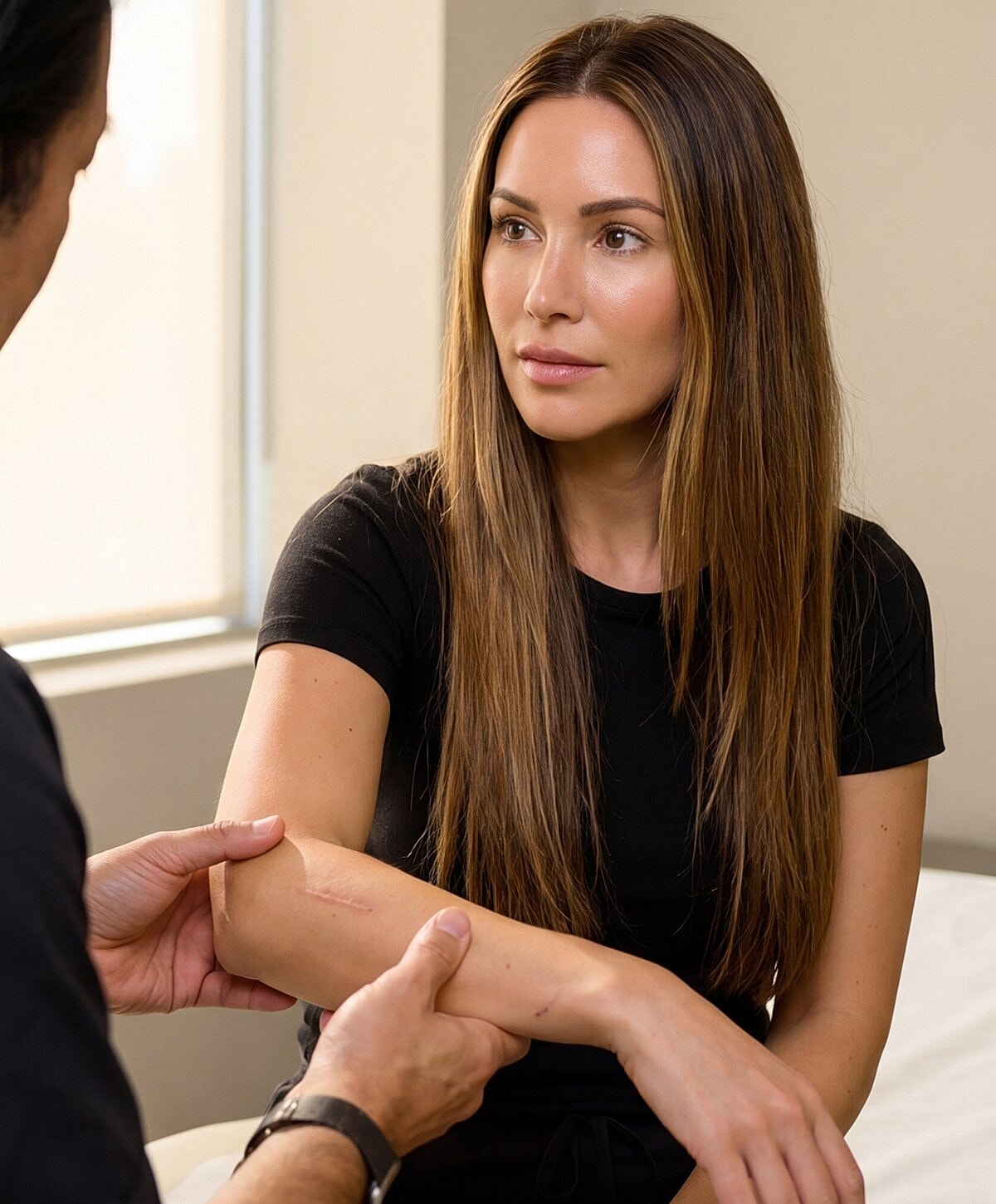
Be prepared to discuss your medical history, the cause of the original scar, and any previous treatments you have tried. Dr. Otake will examine the tissue and recommend the best surgical techniques for your body.