Gynecomastia Surgery (Male Breast Reduction)
Serving patients in Fairfield County, Westchester County, and New York City

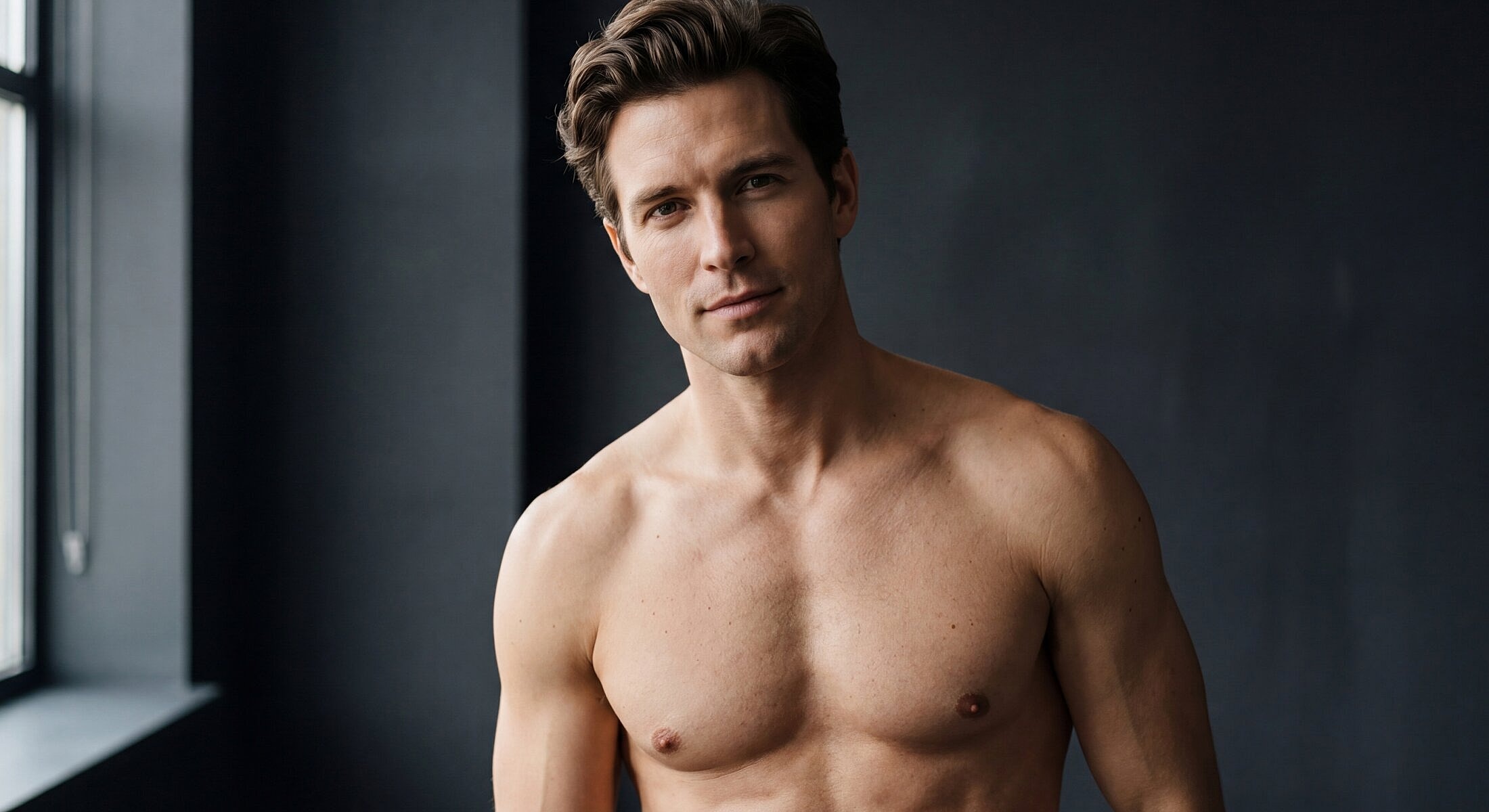
Gynecomastia is a medical condition characterized by the overdevelopment of glandular tissue or excess fat in the male chest. Enlarged breast tissue can be a source of self-consciousness for many men, impacting their choice of clothing and confidence in social, professional, and personal settings. Gynecomastia surgery is designed to restore a flat, masculine chest contour. Dr. Leo Otake specializes in precise surgical restoration of the male chest, helping patients achieve a firmer, more sculpted chest with minimal scarring. Serving patients in White Plains, Fairfield County, and Westchester, our practice offers a discreet and welcoming environment where your goals are met with compassion and clinical mastery.

Gynecomastia surgery, or male breast reduction, is a surgical procedure designed to reduce the size of the breasts in men. The overall purpose is to remove excess tissue that creates a feminine appearance and to tighten the skin for a more athletic, masculine contour.
Dr. Otake offers several options depending on the composition of the tissue. If the enlargement is primarily fatty tissue, advanced liposuction techniques may be used. However, if firm glandular tissue is present, a small incision is made to physically excise the tissue. By integrating his academic background in biochemistry, Dr. Otake ensures the procedure is tailored to the specific biological makeup of your chest.

On the day of your surgery, your comfort and privacy are our primary priorities. The procedure is typically performed under general anesthesia or deep sedation in a state-of-the-art surgery center. Dr. Otake begins by creating discreet incisions, often located around the edge of the areola or in the natural creases of the chest.
Using meticulous surgical principles, Dr. Otake removes the excess glandular tissue and utilizes liposuction to sculpt the surrounding areas for a seamless transition. Because Dr. Otake is an expert in wound healing, he employs advanced internal suturing to ensure the skin adheres to the chest wall, promoting a smooth recovery with well-concealed results.
Gynecomastia surgery is the definitive solution for:
Gynecomastia surgery restores a flatter, firmer, and more masculine chest. Patients frequently report that they no longer feel the need to wear "compression" shirts or avoid certain social situations, such as swimming or the gym. Dr. Otake creates a sculpted chest profile that aligns with an active, masculine lifestyle, providing a lasting transformation that empowers you to move through the world with ease.
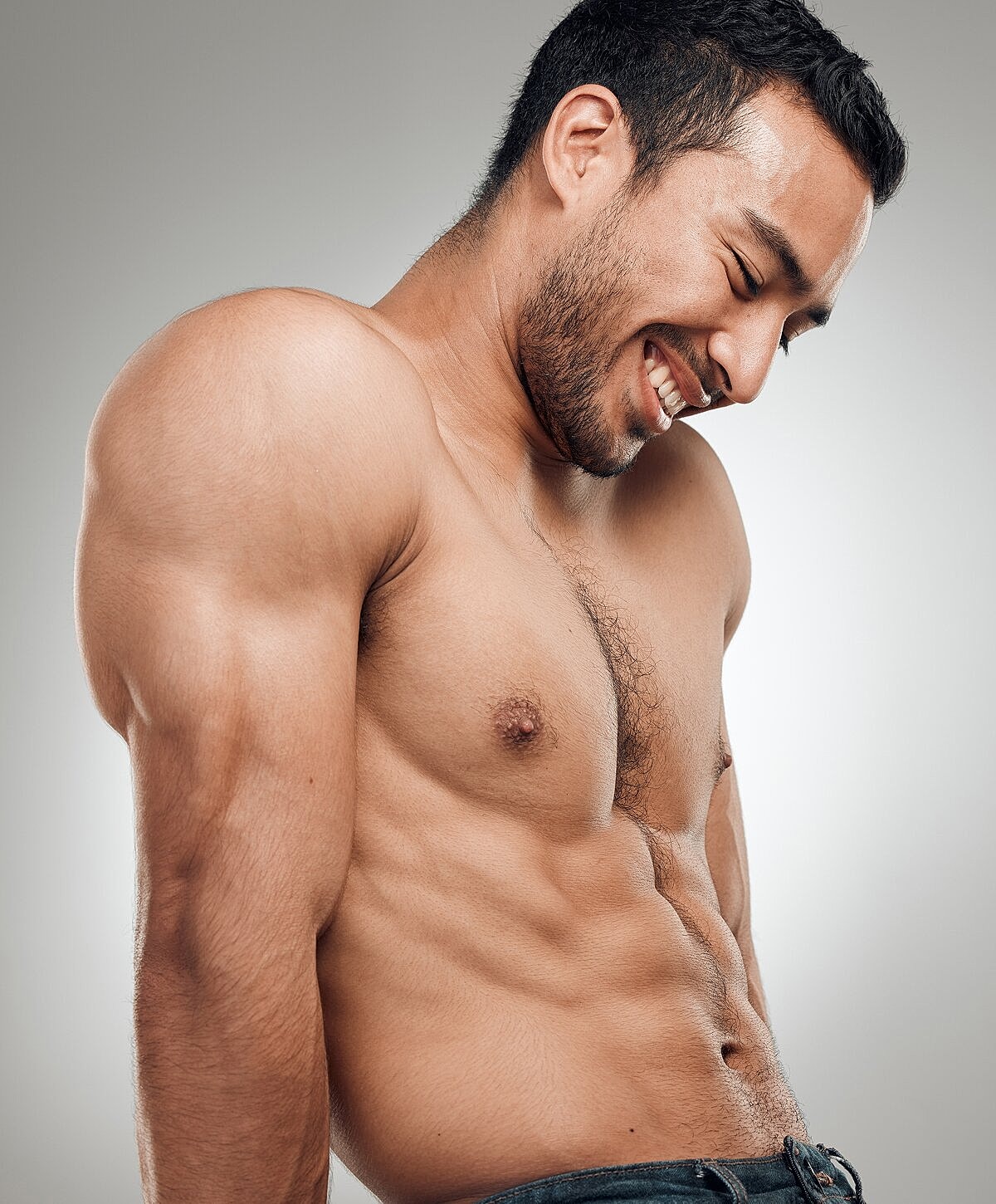

Candidates for gynecomastia surgery are men in good general health whose breast development has stabilized. It is important to have realistic expectations and to have attempted to rule out underlying medical causes of gynecomastia with your primary physician. During your consultation, Dr. Otake will perform a physical exam to determine the ratio of fat to glandular tissue, ensuring the chosen surgical approach is aligned with your anatomy.

For the first few days after the procedure, you may experience some mild soreness and swelling, which is well-managed with prescribed medication. You will be provided with a specialized compression vest to wear for several weeks; this is vital for minimizing fluid buildup and helping the skin contract to its new, flatter position.
Dr. Otake provides detailed instructions on when you can resume exercise and heavy lifting. Most patients find they can return to non-physical work within a few days. Dr. Otake monitors your progress closely during follow-up visits to ensure your chest is contouring exactly as planned.

While you will notice a change immediately, your final results will emerge over the next 3 to 4 months as residual swelling resolves and the skin tightens, revealing a defined, masculine profile. These results are designed to be permanent, provided that you maintain a stable weight and avoid certain medications or substances that can trigger glandular regrowth. These results are designed to provide renewed confidence, and many men feel more comfortable going shirtless, wearing fitted clothing, and engaging in activities they previously avoided.
Choosing Dr. Leo Otake means choosing a Yale-trained, board-certified plastic surgeon and leader in his field. His understanding of the biochemical aspects of hormone-driven tissue growth and the anatomy of the male chest wall allows him to offer a level of precision that is rare in aesthetic surgery. At our White Plains practice, we ensure that your journey to a more confident self is handled with compassion, respect, and the highest standards of clinical excellence.

In most cases, gynecomastia surgery is considered a cosmetic procedure. However, if the enlargement is causing significant pain or is related to a specific medical condition, some insurance providers may offer coverage. Our team can help you review your policy and provide the necessary documentation.
The glandular tissue removed during surgery cannot grow back. However, significant weight gain or the use of certain performance-enhancing drugs or medications can cause the remaining fat cells or surrounding tissue to enlarge. Maintaining a healthy lifestyle is the best way to preserve your results.
Firm, rubbery tissue located directly behind the nipple is usually glandular tissue. Softer tissue that feels like the rest of the body's fat is often just adipose tissue. During your consultation, Dr. Otake will perform a physical exam to definitively identify the composition of your chest.
Dr. Otake is an expert in scar management. Incisions are typically placed along the lower half of the areola (where the dark skin meets the light skin) or in the natural crease of the armpit. Over time, these lines fade significantly and are very difficult to detect.
Liposuction is excellent for removing excess fat, but it cannot remove firm glandular tissue. If you have "true" gynecomastia (glandular growth), a small excision will be necessary in addition to liposuction to achieve a flat, smooth result.
Most patients describe the recovery as a feeling of "soreness" similar to an intense chest workout. This is typically well-controlled with over-the-counter or mild prescription pain relief and resolves quickly within the first week.